موضوعات پیشنهادی برای کلاس های مکالمه آزاد انگلیسی سطح C1
سطح C1 در یادگیری زبان انگلیسی به معنای ورود به دنیای پیشرفته و حرفهای مکالمات است. زبانآموزان در این سطح قادر هستند نه تنها جملات پیچیده بسازند، بلکه بتوانند نظر خود را در بحثهای انتقادی، علمی، اجتماعی و فرهنگی بیان کنند. آنها میتوانند ایدهها را تحلیل کرده، دلایل ارائه دهند، نظر مخالف را بررسی کنند و در گفتوگوهای تخصصی یا عمومی مشارکت فعال داشته باشند.
کلاسهای مکالمه آزاد سطح C1 در آموزشگاه اندیشه پارسیان محیطی فراهم میکنند که زبانآموزان بتوانند مهارتهای زبانی خود را در موضوعات واقعی و پیچیده تقویت کنند. این دورهها شامل تمرینهای گروهی، بحثهای تحلیلی، شبیهسازی موقعیتهای حرفهای و بازخورد مستقیم استادان نیتیو هستند.
تمرین در چنین کلاسهایی باعث میشود زبانآموزان بتوانند در محیطهای کاری، تحصیلی و اجتماعی، بهصورت حرفهای و روان ارتباط برقرار کنند، توانایی درک موضوعات تخصصی و عمومی را پیدا کنند و دایره واژگان پیشرفته خود را بهطور قابل توجهی گسترش دهند.
سیاست و امور بینالملل (Politics and International Affairs)
بحث درباره سیاستهای داخلی و خارجی، دیپلماسی، تأثیرات جهانی تصمیمات سیاسی و مسائل حقوق بشر.
زیرموضوعها و دیالوگها:
۱. سیاست داخلی و دولت (Domestic politics and government)
?A: How do recent political reforms affect citizens
.B: They improve transparency but can be challenging to implement
?A: Are people generally supportive of these reforms
.B: Opinions vary, some are optimistic while others are skeptical
?A: How does media influence political opinions
.B: Media plays a huge role in shaping public perception
?A: Do protests have a meaningful impact
.B: Yes, they can pressure governments to consider citizens’ voices
?A: Should young people be more politically active
.B: Absolutely, they bring fresh ideas and energy to the political scene
۲. سیاست خارجی و دیپلماسی (Foreign Policy and Diplomacy)
?A: How does diplomacy help prevent conflicts
.B: It facilitates dialogue and understanding between nations
?A: Are international organizations effective
.B: They are helpful but often face political limitations
?A: What role does negotiation play in foreign policy
.B: It’s essential for peaceful resolutions
?A: Can public opinion influence diplomatic decisions
.B: Sometimes, especially in democratic countries
?A: Should countries prioritize human rights over economic interests
.B: Ideally, yes, but in practice it’s often complicated
۳. حقوق بشر (Human Rights)
?A: What are the most pressing human rights issues today
.B: Freedom of speech and equality remain critical concerns
?A: Do international courts help enforce human rights
.B: Yes, but enforcement is challenging
?A: How can citizens contribute to human rights advocacy
.B: Through education, activism, and supporting NGOs
?A: Is social media effective for raising awareness
.B: Absolutely, it can reach millions quickly
?A: Should companies be held accountable for human rights violations
.B: Yes, corporate responsibility is increasingly important
۴. تأثیر جهانی سیاستها (Global Impacts Of Policies)
?A: How do national decisions affect global politics
.B: Trade, migration, and security policies can have worldwide effects
?A: Are economic sanctions effective
.B: Sometimes, but they can also harm civilians
?A: Do climate policies require international cooperation
.B: Definitely, climate change is a global issue
?A: Can alliances improve global stability
.B: Yes, strategic alliances can prevent conflicts
?A: Should countries prioritize global or national interests
.B: A balance is necessary for long-term sustainability
انتخابات و مشارکت سیاسی (Elections And Political participation)
?A: How important is voter turnout
.B: It reflects citizens’ engagement and legitimacy of the government
?A: Do debates influence voter decisions
.B: Yes, they provide insight into candidates’ policies
?A: Are young voters underrepresented
.B: Often, but efforts are increasing to engage them
?A: Can technology improve voting processes
.B: Electronic voting can increase accessibility and efficiency
?A: Should voting be mandatory
.B: It could ensure participation but may raise ethical questions
اقتصاد و بازار کار (Labour Market And Economics)
در سطح C1، زبانآموزان باید بتوانند درباره مسائل پیچیده اقتصادی و بازار کار صحبت کنند. این شامل تحلیل روندهای اقتصادی، تأثیر سیاستها، اشتغال و کارآفرینی، جهانیسازی و نوآوری است. کلاسهای مکالمه آزاد محیطی فراهم میکنند تا زبانآموزان بتوانند واژگان تخصصی اقتصادی را تمرین کرده، توانایی تحلیل انتقادی خود را افزایش دهند و بحثهای حرفهای را مدیریت کنند.
روندهای اقتصادی جهانی (Global Economic Trends)
?A: How do global economic trends affect local markets
.B: They influence prices, demand, and investment opportunities
?A: Are emerging markets growing faster than developed ones
.B: Yes, many developing countries show rapid growth
?A: How does inflation impact consumers
.B: It reduces purchasing power and affects daily expenses
?A: Do interest rates affect economic growth
.B: Definitely, they influence borrowing and investment
?A: How do trade agreements shape economies
.B: They can boost exports and improve economic relations
اشتغال و بازار کار (Employment And Labour Market)
?A: What skills are most in demand today
.B: Digital literacy, communication, and critical thinking skills
?A: How does remote work influence employment
.B: It offers flexibility but requires self-discipline
?A: Are gig economy jobs sustainable
.B: They provide opportunities but lack long-term security
?A: What challenges do graduates face entering the job market
.B: Competition, experience requirements, and skill gaps
?A: How can employees adapt to rapid changes
.B: Continuous learning and upskilling are essential
سرمایهگذاری و کارآفرینی (Investments And Entrepreneurship)
?A: What are the risks and rewards of investing
.B: High returns come with high risks, but careful planning helps
?A: How can startups succeed in competitive markets
.B: Innovative ideas, strong leadership, and market research
?A: Should governments support small businesses
.B: Yes, through incentives and infrastructure support
?A: What role does technology play in entrepreneurship
.B: It enables automation, marketing, and data analysis
?A: Can failure be a valuable learning experience
.B: Absolutely, it teaches resilience and adaptability
جهانیسازی و تجارت بینالملل (Globalization And International Trade)
?A: How has globalization affected local economies
.B: It provides new markets but increases competition
?A: Are multinational companies beneficial
.B: Yes, they create jobs but can dominate markets
?A: How does trade affect cultural exchange
.B: It promotes understanding but may dilute local traditions
?A: Do tariffs protect domestic industries
.B: Sometimes, but they can also hinder growth
?A: Should countries focus on self-sufficiency
.B: A balance is needed between self-reliance and trade
فناوری و نوآوری در اقتصاد (Technology And Innovation In The Economics)
?A: How do innovations impact economic growth
.B: They create new industries and increase productivity
?A: Are automation and AI beneficial for businesses
.B: Yes, they reduce costs but may displace workers
?A: How important is research and development
.B: It drives competitiveness and long-term success
?A: Do tech startups shape the future job market
.B: Absolutely, they create new opportunities and roles
?A: Should education focus more on technology skills
.B: Yes, to prepare students for a digital economy
علم و فناوری (Science And Technology)
در سطح C1، زبانآموزان باید توانایی بحث درباره موضوعات علمی و فناوریهای پیشرفته را داشته باشند. این شامل نوآوریهای علمی، تحقیقات پیشرفته، تکنولوژیهای نوین، تأثیر فناوری بر زندگی روزمره و آینده علمی بشر است. کلاسهای مکالمه آزاد محیطی فراهم میکنند تا زبانآموزان بتوانند واژگان تخصصی علمی را تمرین کنند، مهارت تحلیل و استدلال خود را افزایش دهند و در بحثهای پیچیده علمی مشارکت کنند.
نوآوریهای علمی (Scientific Innovations)
?A: What recent scientific breakthroughs do you find most fascinating
.B: I’m amazed by developments in gene editing and CRISPR technology
?A: How can innovation improve healthcare
.B: It can lead to better diagnostics and personalized treatments
?A: Do scientists have ethical responsibilities
.B: Absolutely, especially when experiments can impact human lives
?A: Should governments fund more scientific research
.B: Yes, it drives progress and economic growth
?A: Can innovation solve global problems
.B: It can contribute significantly but requires collaboration
فناوریهای نوین (New Technologies)
?A: How is artificial intelligence changing industries
.B: AI automates tasks, improves efficiency, and creates new roles
?A: Are there risks associated with AI
.B: Yes, privacy and employment issues need to be addressed
?A: What is the role of robotics in everyday life
.B: Robots assist in manufacturing, healthcare, and even homes
?A: How do innovations in renewable energy help the environment
.B: They reduce pollution and dependence on fossil fuels
?A: Should technology companies regulate themselves
.B: Self-regulation can help, but government oversight is essential
تحقیقات علمی و پژوهش (Scientific Research)
?A: What makes a research study credible
.B: Peer review, reliable data, and transparency
?A: Are interdisciplinary studies more valuable
.B: Yes, they integrate knowledge and solve complex problems
?A: How does funding influence research
.B: It determines the scope and resources available for experiments
?A: Should researchers focus on applied or theoretical science
.B: Both are important for advancement and practical solutions
?A: Can citizen science contribute to discoveries
.B: Absolutely, it engages the public and expands data collection
تأثیر فناوری بر زندگی روزمره (Effects Of Technology On Every Day Life)
?A: How has technology changed communication
.B: It allows instant messaging, video calls, and global collaboration
?A: Are smart devices making life easier or more dependent
.B: Both; convenience increases but reliance grows too
?A: Does online education improve learning
.B: Yes, it offers flexibility and access to diverse resources
?A: How do apps influence productivity
.B: They help organize tasks but can also be distracting
?A: Should people limit screen time
.B: Yes, to maintain mental health and personal interaction
آینده علم و فناوری (The future of science and technology)
?A: What scientific fields will grow in the next decade
.B: AI, biotechnology, renewable energy, and space exploration
?A: Will technology replace human jobs completely
.B: Not completely, but it will reshape many professions
?A: How can ethics guide technological development
.B: By ensuring safety, privacy, and social responsibility
?A: Will space travel become accessible to the public
.B: Potentially, with advancements and commercial investment
?A: Should schools teach coding and tech skills early
.B: Yes, to prepare students for a tech-driven world
مسائل اجتماعی و فرهنگی (Social and cultural issues)
در سطح C1، زبانآموزان باید توانایی بحث درباره موضوعات پیچیده اجتماعی و فرهنگی را داشته باشند. این شامل تحلیل مشکلات اجتماعی، تنوع فرهنگی، عدالت اجتماعی، حقوق بشر و مسائل بینالمللی است. کلاسهای مکالمه آزاد محیطی فراهم میکنند تا زبانآموزان بتوانند نظر خود را با دقت و استدلال بیان کنند، واژگان تخصصی مرتبط با مسائل اجتماعی و فرهنگی را تمرین کنند و مهارتهای بحث و مناظره پیشرفته را توسعه دهند.
تنوع فرهنگی و جهانی شدن (Cultral Differences And Globalization)
?A: How does cultural diversity influence communities
.B: It enriches societies with different perspectives and traditions
?A: Does globalization threaten local cultures
.B: Sometimes, but it also promotes cultural exchange
?A: How can people embrace multiculturalism
.B: By learning languages and participating in cultural events
?A: Is cultural identity important in a globalized world
.B: Yes, it helps maintain traditions and social cohesion
?A: How can schools promote understanding of diversity
.B: Through inclusive curricula and intercultural projects
عدالت اجتماعی و حقوق بشر (Social Justice And Human Rights)
?A: Why is social justice important
.B: It ensures equal opportunities and protects vulnerable groups
?A: How can individuals contribute to human rights
.B: By advocating, volunteering, and raising awareness
?A: Are governments doing enough to protect citizens
.B: In some areas yes, but gaps still exist
?A: Can education reduce inequality
.B: Absolutely, education empowers people and promotes fairness
?A: How does social media influence social movements
.B: It spreads information quickly but can also mislead people
مشکلات شهری و محیط زیست (Urban And Environmental Problems)
?A: What are the main challenges in urban areas
.B: Traffic congestion, pollution, and housing shortages
?A: How can cities become more sustainable
.B: Through green infrastructure and public transportation
?A: Do citizens have responsibility for environmental protection
.B: Yes, recycling and reducing consumption are essential
?A: How do social programs improve urban life
.B: They provide support for health, education, and housing
?A: Are smart cities the solution to urban problems
.B: They can help, but planning and equity are crucial
آموزش و فرصتهای برابر (Education And Equal Opportunities)
?A: Why is education a key factor in social development
?.B: It provides skills, knowledge, and opportunities for all
A: How can governments ensure access to quality education
.B: By funding schools, training teachers, and supporting students
?A: Does technology help reduce educational gaps
.B: Yes, online resources and e-learning platforms expand access
?A: How important is lifelong learning
.B: It allows individuals to adapt to social and economic changes
?A: Should schools teach global citizenship
.B: Absolutely, it encourages awareness and responsibility
ارتباطات و تعاملات بینالمللی (International Communications Cnd Interactions)
?A: How do countries collaborate on social issues
.B: Through international organizations and treaties
?A: Are cultural exchanges effective in promoting peace
.B: Yes, they foster understanding and cooperation
?A: How can language learning support international relations
.B: It facilitates communication and reduces misunderstandings
?A: What role do NGOs play in global issues
.B: They provide aid, advocacy, and monitoring
?A: Can citizens influence international policy
.B: Yes, through activism, petitions, and public campaigns
سیاست و روابط بینالملل (Politics and International Relations)
در سطح C1، زبانآموزان باید توانایی بحث درباره موضوعات پیچیده سیاسی و روابط بینالملل را داشته باشند. این شامل تحلیل سیاست داخلی و خارجی کشورها، دیپلماسی، مسائل جهانی، اتحادها و منازعات بینالمللی است. کلاسهای مکالمه آزاد محیطی فراهم میکنند تا زبانآموزان بتوانند نظر خود را با استدلال دقیق بیان کنند، واژگان تخصصی مرتبط با سیاست و روابط بینالملل را تمرین کنند و مهارتهای بحث و مناظره پیشرفته را توسعه دهند.
دیپلماسی و مذاکرات بینالمللی (Diplomacy And International Negotiations)
?A: What is the importance of diplomacy in global relations
.B: It helps countries solve conflicts peacefully and build alliances
?A: Can negotiations prevent wars
.B: Yes, effective diplomacy can avoid armed conflicts
?A: How do international organizations support diplomacy
.B: They provide neutral platforms for dialogue and agreements
?A: Is public opinion influential in diplomatic decisions
.B: Sometimes, governments consider citizens’ views
?A: Should cultural understanding be part of diplomacy
.B: Absolutely, it ensures respectful and effective communication
سیاست داخلی و حکمرانی (Domestic Politics And Governance)
?A: How does government transparency affect society
.B: It builds trust and prevents corruption
?A: What challenges do governments face in policy-making
.B: Balancing economic growth, social welfare, and public opinion
?A: How important are elections in a democracy
.B: They reflect citizens’ will and ensure accountability
?A: Should citizens participate actively in politics
.B: Yes, engagement strengthens democratic institutions
?A: How does legislation impact social equality
.B: Fair laws can reduce inequality and protect minorities
اتحادها و منازعات بینالمللی (International Alliances And Conflicts)
?A: Why do countries form alliances
.B: To strengthen defense, trade, and political influence
?A: Can alliances escalate conflicts
.B: Yes, tensions may rise if opposing blocs emerge
?A: How does international law regulate conflicts
.B: It sets rules for conduct and protects human rights
?A: Should countries intervene in foreign conflicts
.B: Only when justified by law and humanitarian concerns
?A: How do economic sanctions affect international relations
.B: They pressure governments but may also impact civilians
مسائل جهانی و بحرانها (Global Issues And Disasters)
?A: What are the main global challenges today
.B: Climate change, migration, poverty, and terrorism
?A: How can countries cooperate on global crises
.B: Through treaties, international organizations, and joint initiatives
?A: Is global governance effective
.B: Partially, but enforcement and participation vary
?A: How do media influence international perception
.B: They shape public opinion and diplomatic priorities
?A: Can technology help solve global problems
.B: Yes, innovations in energy, health, and communication are key
آینده روابط بینالملل (The Future Of International Relations)
?A: Will globalization continue to grow
.B: Yes, but it may face resistance from nationalist movements
?A: How will emerging powers influence global politics
.B: They will reshape alliances and economic dynamics
?A: Can diplomacy prevent future global conflicts
.B: It can reduce risks, but cooperation is essential
?A: Should education include international relations studies
.B: Absolutely, it prepares citizens for a connected world
?A: How important is understanding different political systems
.B: It is crucial for negotiation, trade, and cultural respect
کلاسهای مکالمه آزاد سطح C1 در آموزشگاه اندیشه پارسیان، فضایی حرفهای برای تمرین مهارتهای پیشرفته زبانی در زمینه اقتصاد و بازار کار فراهم میکنند. با تمرکز بر تحلیل روندهای جهانی، اشتغال، کارآفرینی و فناوری، زبانآموزان مهارت بحث انتقادی و توانایی ارائه نظر تخصصی خود را در محیطی امن و پویا تقویت میکنند. این کلاسها شامل تمرینهای گروهی، شبیهسازی موقعیتهای واقعی، بازخورد استادان نیتیو و فعالیتهای تعاملی هستند و زبانآموزان را برای مکالمات حرفهای، مصاحبههای شغلی و بحثهای علمی آماده میکنند.
مشاهده دوره های مکالمه ازاد انگلیسی
برای ثبت نظر و دیدگاه خود لطفا با تشکیل حساب کاربری، عضو وب سایت شوید.
آخرین اخبار
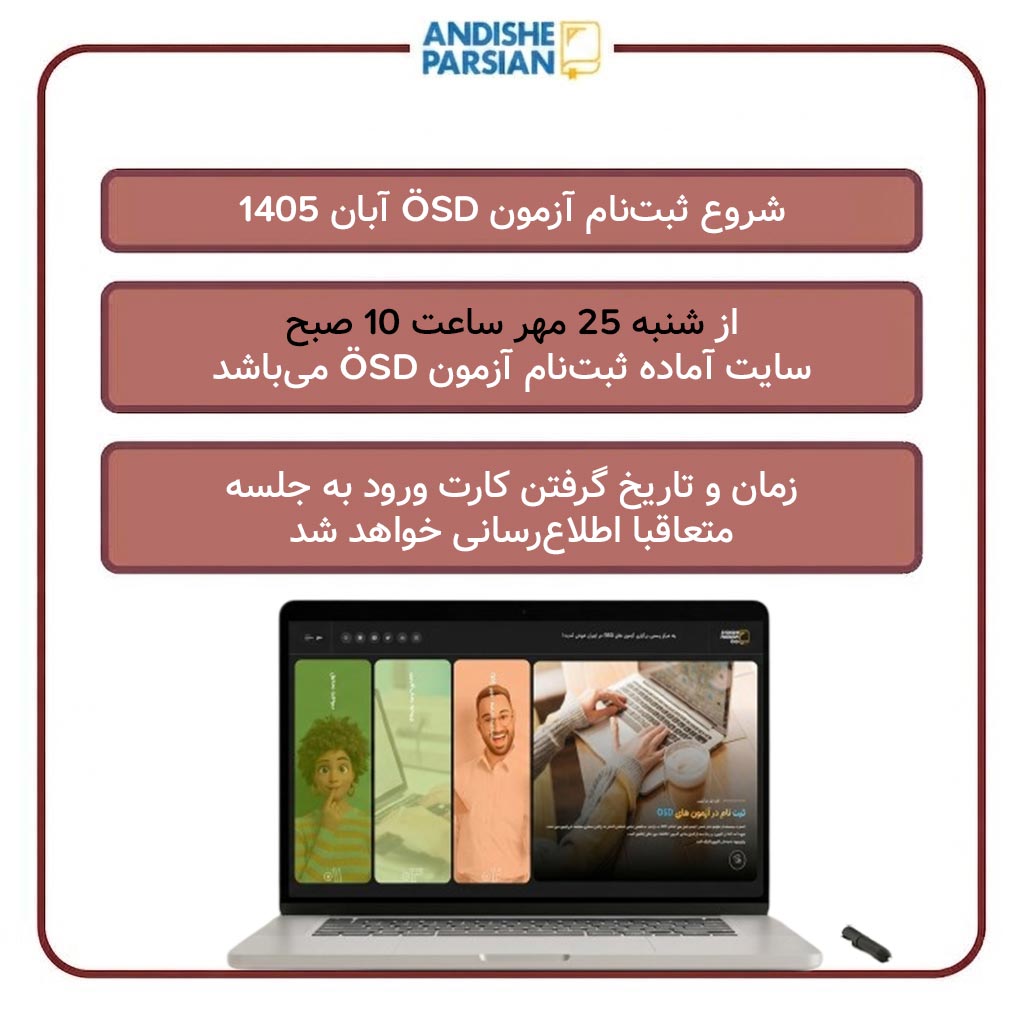
ثبت نام آزمون ÖSD آبان 1405
متقاضیان محترم آزمون بینالمللی ÖSD ، میتوانند برای شرکت در آزمون آبان ۱۴۰۵ در سطوح A1,A2,B1,B2,C1,C2 در زمان اعلامشده نسبت به ثبتنام اولیه اقدام نمایند.
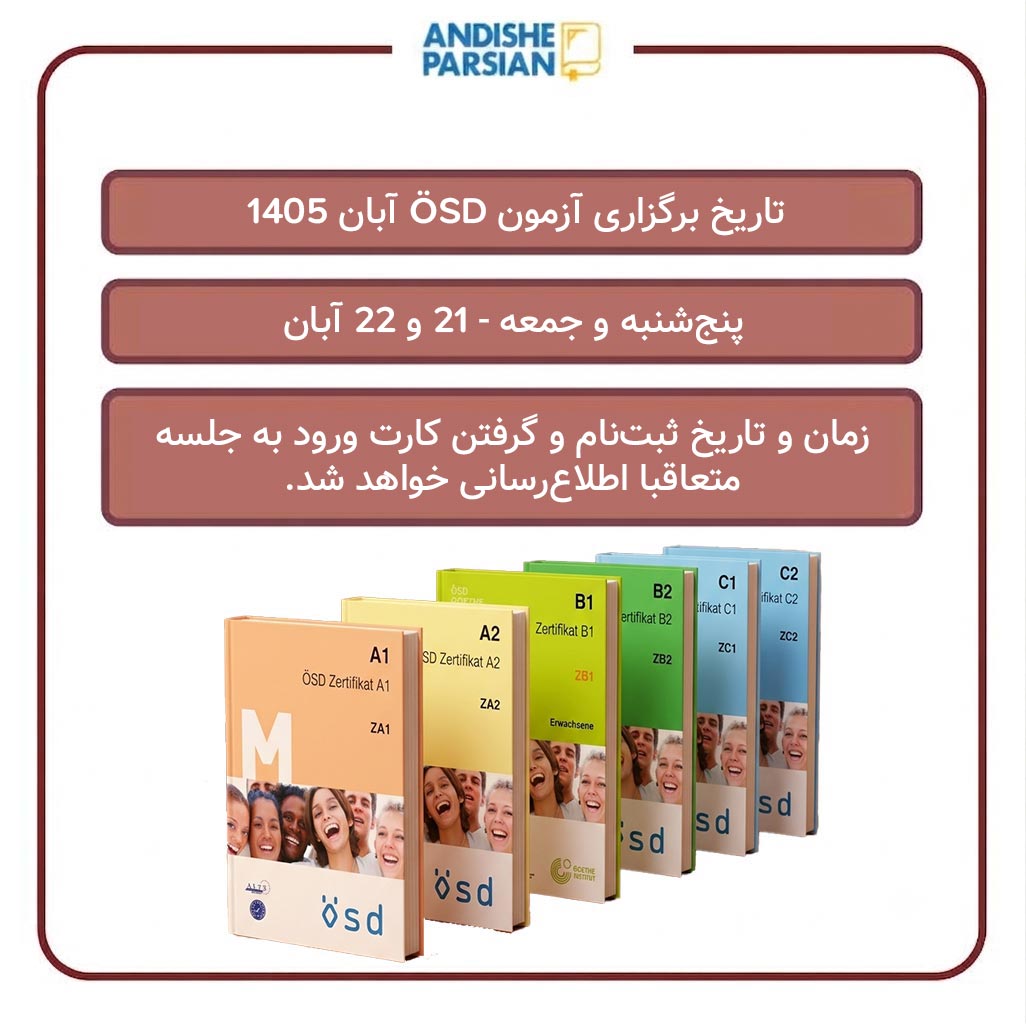
تاریخ برگزاری آزمون ÖSD آبان ۱۴۰۵
آموزشگاه زبان اندیشه پارسیان، سنتر برگزارکننده رسمی آزمون بینالمللی ÖSD، با افتخار اعلام میکند که در آبان سال 1405 این آزمون را برگزار خواهد کرد.
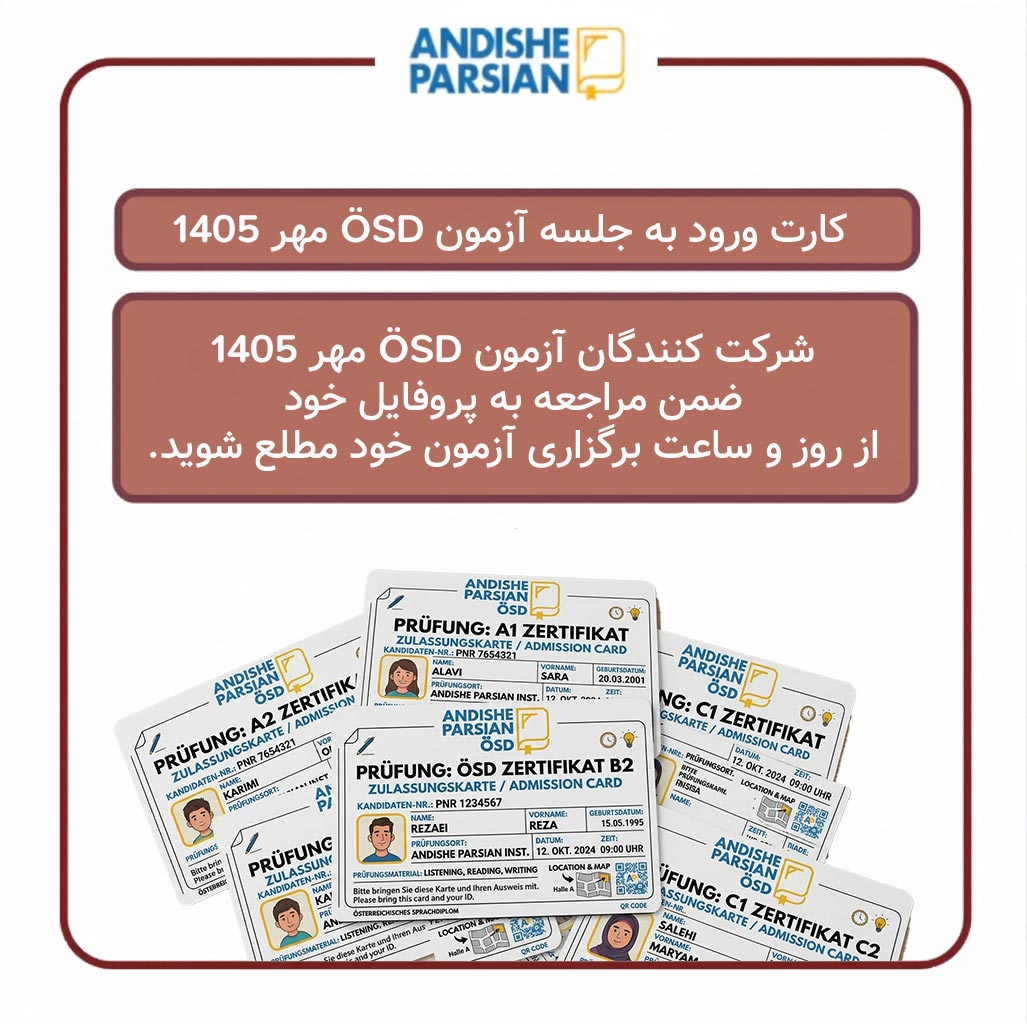
دریافت کارت ورود به جلسه آزمون ÖSD مهر 1405
شرکتکنندگان گرامی آزمون ÖSD مهرماه ۱۴۰۵کارت ورود به جلسه آزمون از طریق پروفایل کاربری شما در دسترس خواهد بود
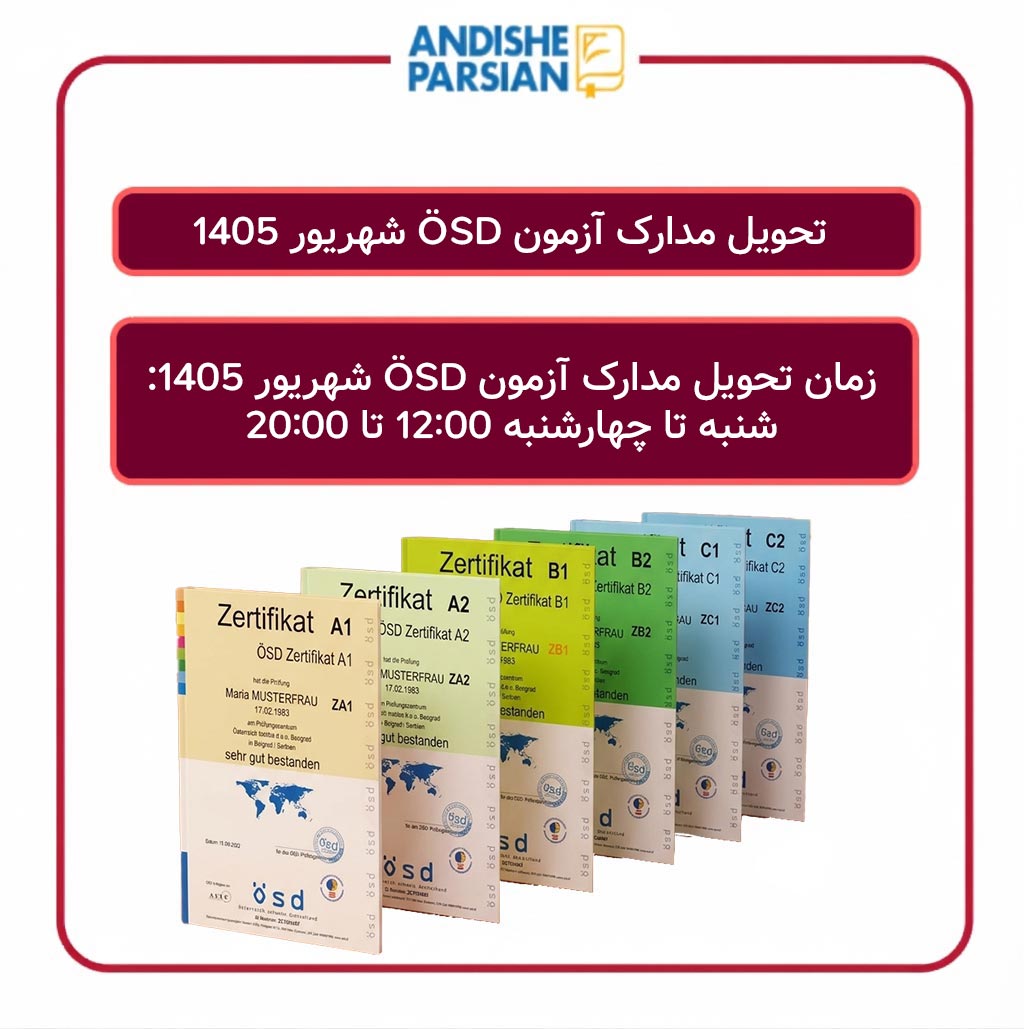
تحویل مدارک آزمون ÖSD شهریور ۱۴۰۵
شرکتکنندگان محترم آزمون ÖSD شهریورماه ۱۴۰۵،مدارک مربوط به این آزمون آماده تحویل است. برای اطلاع از زمان، محل و شرایط دریافت مدارک، این اطلاعیه را مطالعه فرمایید.
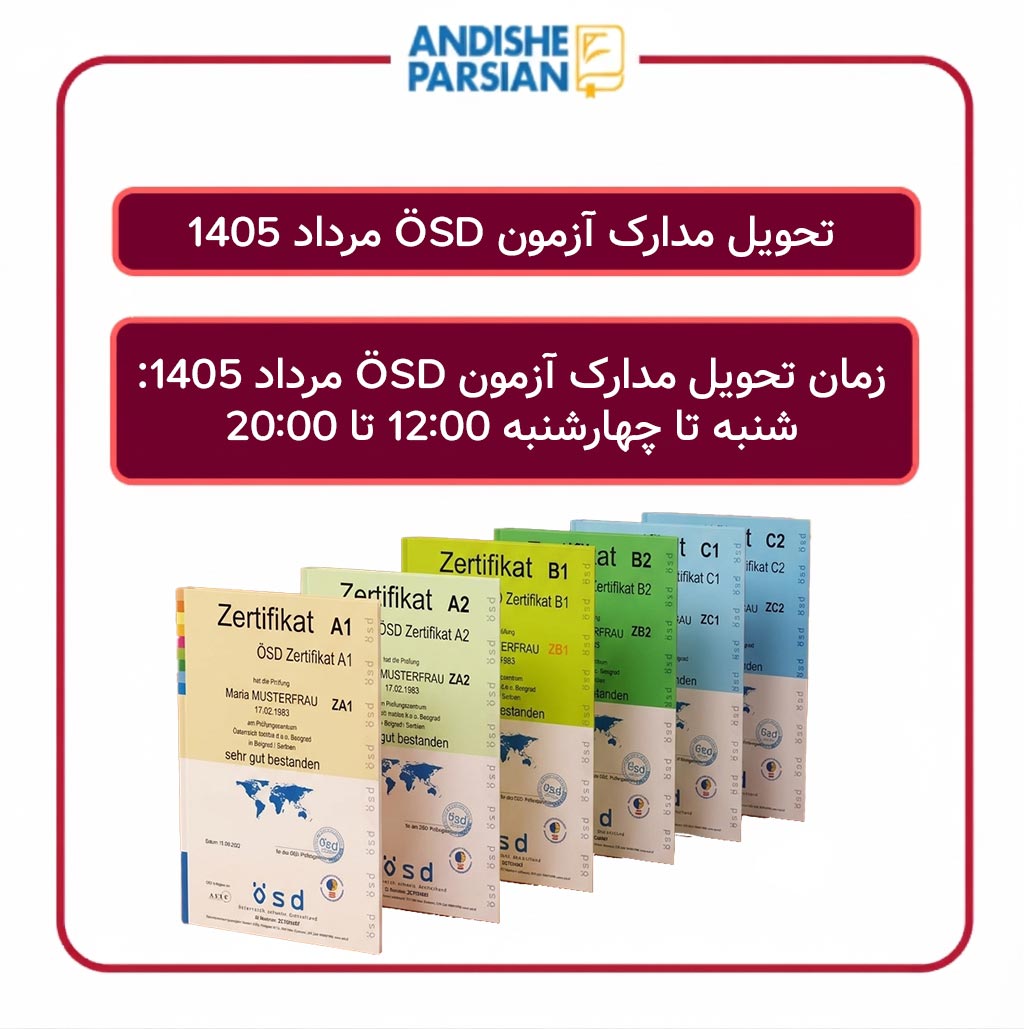
تحویل مدارک آزمون ÖSD مرداد ۱۴۰۵
شرکتکنندگان محترم آزمون ÖSD مردادماه ۱۴۰۵،مدارک مربوط به این آزمون آماده تحویل است. برای اطلاع از زمان، محل و شرایط دریافت مدارک، این اطلاعیه را مطالعه فرمایید.
برچسب ها
- موضوعات پیشنهادی برای کلاس های مکالمه آزاد انگلیسی سطح C1
- موضوعات پیشنهادی برای کلاس های مکالمه آزاد انگلیسی
- موضوعات پیشنهادی
- کلاس های مکالمه آزاد انگلیسی سطح C1
- کلاس های مکالمه انگلیسی سطح C1
- کلاس های مکالمه آزاد سطح C1
- مکالمه آزاد انگلیسی سطح C1
- مکالمه انگلیسی سطح C1
- مکالمه آزاد انگلیسی
- سطح C1
- مکالمه انگلیسی
- مکالمه آزاد
- انگلیسی
- مکالمه
- آموزش زبان انگلیسی
- آموزش زبان
- زبان انگلیسی
- آموزش انگلیسی
- آموزش
- زبان
- اندیشه پارسیان
- مقاله
- کلاس زبان انگلیسی
- کلاس زبان
- کلاس انگلیسی
- کلاس
- کلاس مکالمه آزاد
- دیالوگ نمونه
- سیاست
- روابط بینالملل
- دیپلماسی
- بحرانهای جهانی
- اتحادها
آخرین مقالات

دورههای اقتصادی زبان انگلیسی
دورههای اقتصادی زبان انگلیسی فرصتی مناسب برای یادگیری و تقویت مهارتهای زبانی با هزینهای مقرونبهصرفه هستند. در این مقاله با انواع کلاسها، روشهای انتخاب دوره مناسب و راهکارهای یادگیری زبان انگلیسی با هزینه کمتر آشنا میشوید.

کلاسهای اقتصادی زبان انگلیسی
با کلاسهای اقتصادی زبان انگلیسی و روشهای یادگیری کمهزینه آشنا شوید و متناسب با بودجه و هدف خود بهترین دوره را انتخاب کنید.\ با تمرین روزانه، استفاده از منابع رایگان و انتخاب کلاس مناسب، مهارت مکالمه، شنیدار و واژگان خود را تقویت کنید.
یادگیری اقتصادی زبان آلمانی
با اندیشه پارسیان، راهکارهای یادگیری کمهزینه زبان آلمانی را بشناسید و با برنامهریزی اصولی، تمرین مستمر و استفاده از منابع مناسب، برای تحصیل، کار و زندگی در آلمان آماده شوید.
لیست کامل گرامر زبان آلمانی سطح A2
راهنمای جامع گرامر زبان آلمانی سطح A2، شامل زمانهای فعل، افعال مُدال و انعکاسی، حالتهای دستوری، حروف اضافه، ترتیب کلمات، جملههای وابسته، صرف و مقایسه صفات، قواعد نفی و مهمترین مباحث گرامری برای آمادگی ورود به سطح B1.
لیست کامل گرامر زبان انگلیسی سطح A1
یادگیری گرامر انگلیسی در سطح A1، اولین قدم برای ساختن پایهای قدرتمند و ورود به دنیای ارتباطات جهانی است. با یادگیری اصولی، تمرین مستمر و قدمهای کوچک، امروز شروع کن تا فردا با اعتمادبهنفس بیشتر صحبت کنی و فرصتهای تازهای بسازی.
لیست کامل گرامر زبان آلمانی سطح A1
با آموزش گرامر زبان آلمانی A1، اولین قدم را برای یادگیری اصولی Deutsch بردارید!از ضمایر و فعلها تا ساختار جمله و حروف اضافه، مهمترین مباحث پایه را ساده و روان یاد بگیرید.
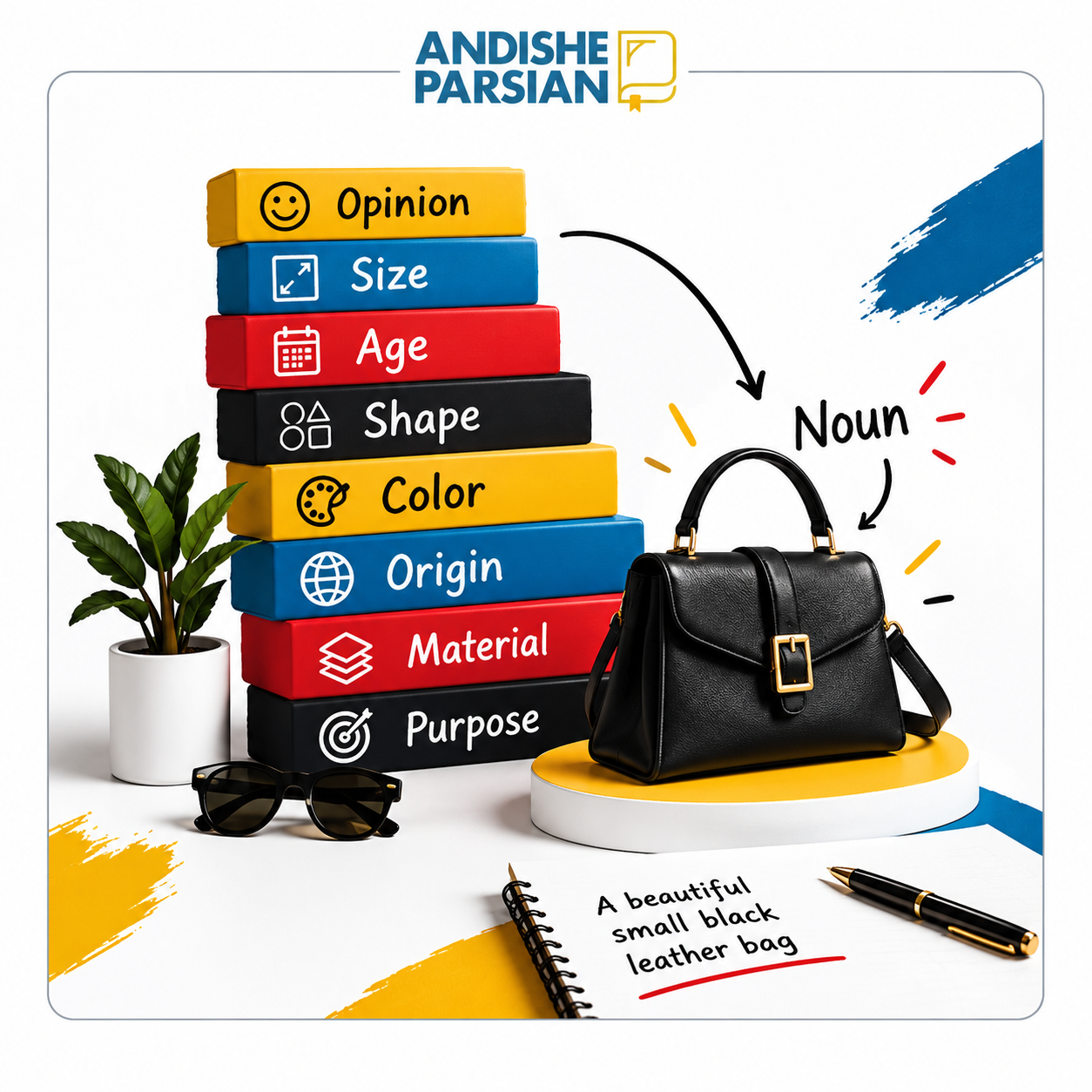
آموزش ترتیب صفتها در زبان انگلیسی
با یادگیری ترتیب صفتها در زبان انگلیسی، جملههایی طبیعیتر، دقیقتر و زیباتر بسازید! در این آموزش جذاب، با ترتیب صحیح صفتها، مثالهای کاربردی و نکات مهم گرامری آشنا میشوید تا بتوانید ویژگیهای افراد، اشیا و مکانها را توصیف کنید.
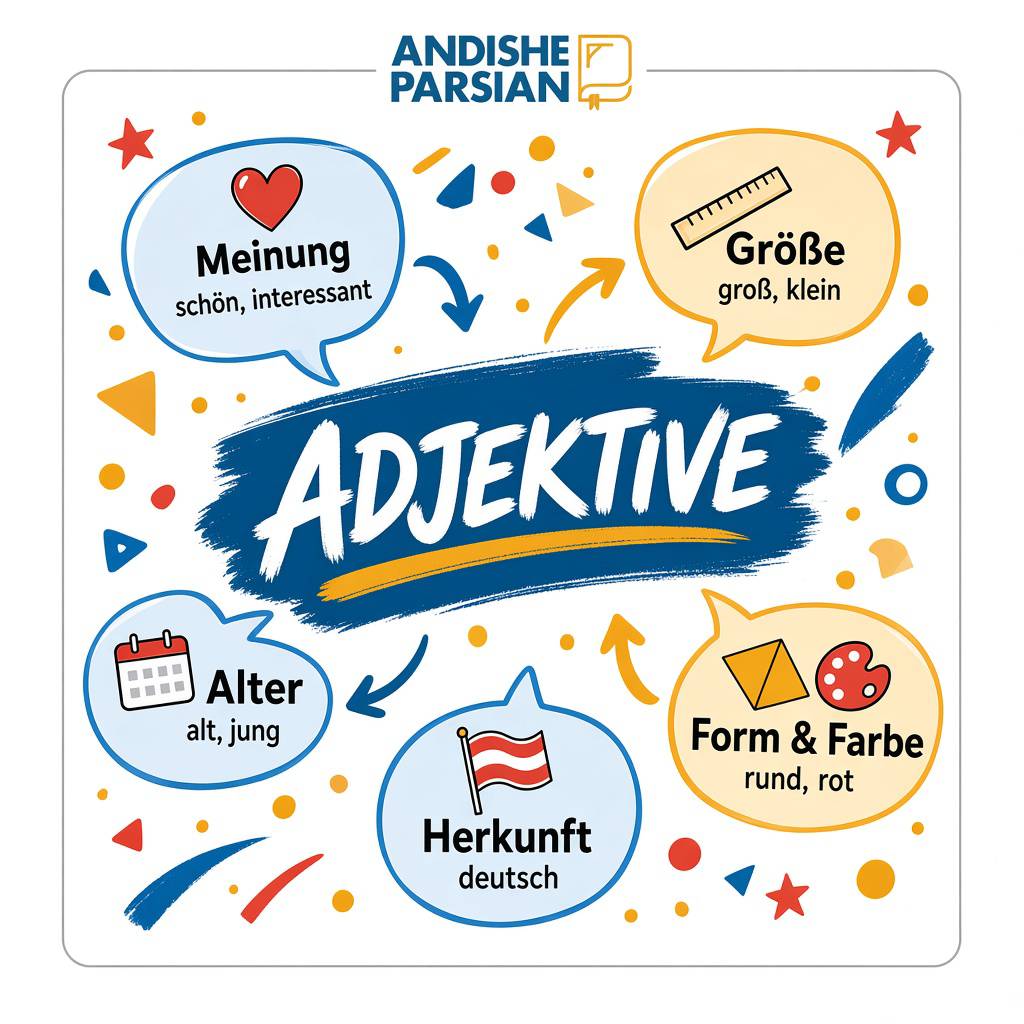
آموزش ترتیب صفتها در زبان آلمانی
در این مقاله با ترتیب صفتها در زبان آلمانی، قواعد قرارگیری چند صفت کنار اسم، صرف صفتها و مثالهای کاربردی همراه با ترجمه فارسی آشنا شوید.
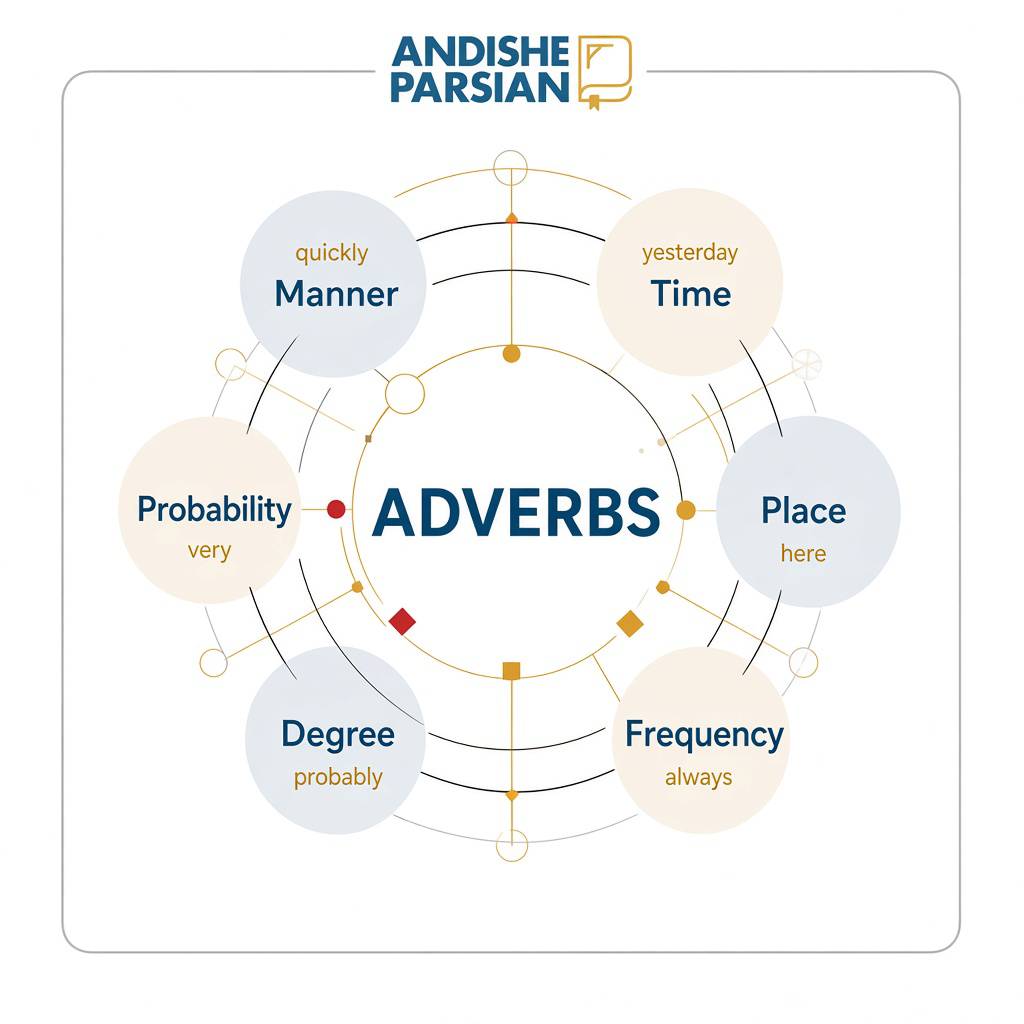
آموزش انواع قید در زبان انگلیسی
با آموزش انواع قید در زبان انگلیسی، جملههایی دقیقتر، جذابتر و طبیعیتر بسازید! در این مقاله با کاربرد قیدها، انواع آنها و مثالهای کاربردی آشنا شوید و مهارت زبان انگلیسی خود را یک قدم ارتقا دهید.
آموزش نوشتن تاریخ در زبان آلمانی
در این مقاله، آموزش نوشتن تاریخ در زبان آلمانی را از پایه یاد میگیرید. با نام ماهها، اعداد ترتیبی، ترتیب صحیح روز و ماه و کاربرد حروف اضافه am و im آشنا میشوید و با مثالهای کاربردی، مهارت خود را تقویت میکنید.